
Circular Economy Toolkit for Tourist Accommodations
| The Charter of the French language and its regulations govern the consultation of English-language content. |
Want to start implementing circular economy practices in your tourist accommodation but don’t know where to begin?
The Quebec government offers a free toolkit to help you take action. It contains simple, concrete, and practical tools designed by and for tourist accommodations in Quebec.

Presentation of the toolkit
Produced by Stratzer, this toolkit was created thanks to the collaboration and financial support of RECYC-QUÉBEC and the ministère du Tourisme as part of the circular economy showcase project for the tourist accommodation sector*.
The kit includes:
- 9 practical thematic fact sheets presenting best practices that you can implement in different departments, as well as useful tips, case studies, and resources
- 3 editable templates: a circular economy action plan, a circular economy policy, and a responsible procurement policy
- 2 informative guides on best practices for responsible procurement and the management of construction, renovation, and demolition waste
- A training module on waste management for your employees
All this to simplify your efforts and mobilize your teams around the circular economy!
Download the entire toolkit (ZIP, 79 Mo).
*The content of the tools is partly derived from the documentation developed within the framework of the showcase project, to which the Centre de transfert technologique en écologie industrielle (CTTÉI) and Stratzer contributed.
How to use the toolkit?
Here is a video (1 min.) introducing the kit (in French with English subtitles).
Thematic fact sheets
To get started, check out the following fact sheet to familiarize yourself with the circular economy and find out how it translates into practice in the context of tourist accommodation.
Next, read the two thematic fact sheets below to help you implement circular economy governance practices in your organization, as well as information, awareness, and education measures for your employees and customers.
- Thematic fact sheet 2 – Governance (PDF, 2.5 Mo)
- Thematic fact sheet 3 – Information, awareness, and education (PDF, 5.8 Mo)
Finally, browse through these other thematic fact sheets presenting best practices you can implement, useful tips, case studies, and resources for different departments. You can share them with your employees to help them roll out the circular economy. They will also be useful if you want to adopt a circular economy action plan.
- Thematic fact sheet 4 – Rooms (PDF, 2.4 Mo)
- Thematic fact sheet 5 – Laudry (PDF, 4 Mo)
- Thematic fact sheet 6 – Kitchen (food production) (PDF, 2.3 Mo)
- Thematic fact sheet 7 – Food services (room service, table service, external or internal catering service for banquets/events) (PDF, 2.2 Mo)
- Thematic fact sheet 8 – Building maintenance and related activities (e.g., water, gardening, construction, spa, pool, etc.) (PDF, 13.5 Mo)
- Thematic fact sheet 9 – Facility management (administration, reception, and residual materials management) (PDF, 3.5 Mo)
Templates
The templates can be modified so that you can adapt them to your context and needs.
Circular economy action plan
Here is a template for a circular economy action plan. The description of the tool and its user guide can be found in the first two tabs. The following tabs correspond to the themes of the above sheets, and the best practices are the same as those in the sheets. Each tab allows you to collect information on progress, the implementation schedule, resource planning, the budget, and the evaluation of results.
Policies
If you want to formalize your commitments to responsible procurement or the circular economy, here are two policy templates that you can adapt to your specific situation.
Guides
Want to adopt responsible procurement practices in your organization? This guide outlines the factors to consider in the procurement process and planning eco-friendly events.
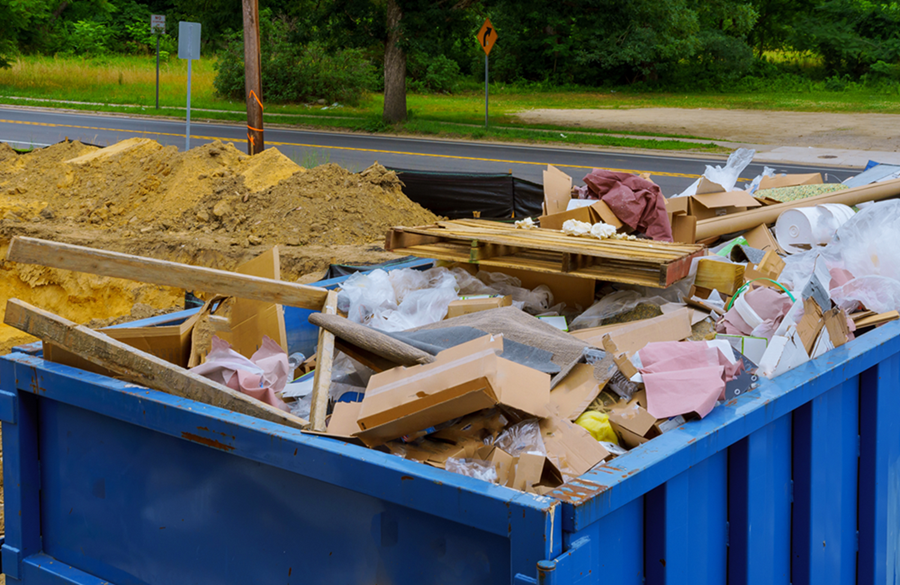
Construction, renovation, or demolition projects can generate large amounts of waste. This guide outlines the factors to consider at every stage of such a project, from design through construction and operation to the end of the building’s useful life.
Training
Waste management is often the first step when embarking on a circular economy initiative. But how can you effectively sort all materials?
Here is a training course (duration: 20 minutes in French with English subtitles) on waste management in tourist accommodations that you can share with your employees.
Here is also the slide deck (PDF, 1.5 Mo) for this training course.
Webinar
To learn about the contents of the toolkit and how to use it, watch the webinar below (in French with English subtitles).
Here is also the presentation (PDF, 3.1 Mo) from the webinar (in French).